HOLLOW TREE: Screenings, Exhibit, and Pigment Workshops
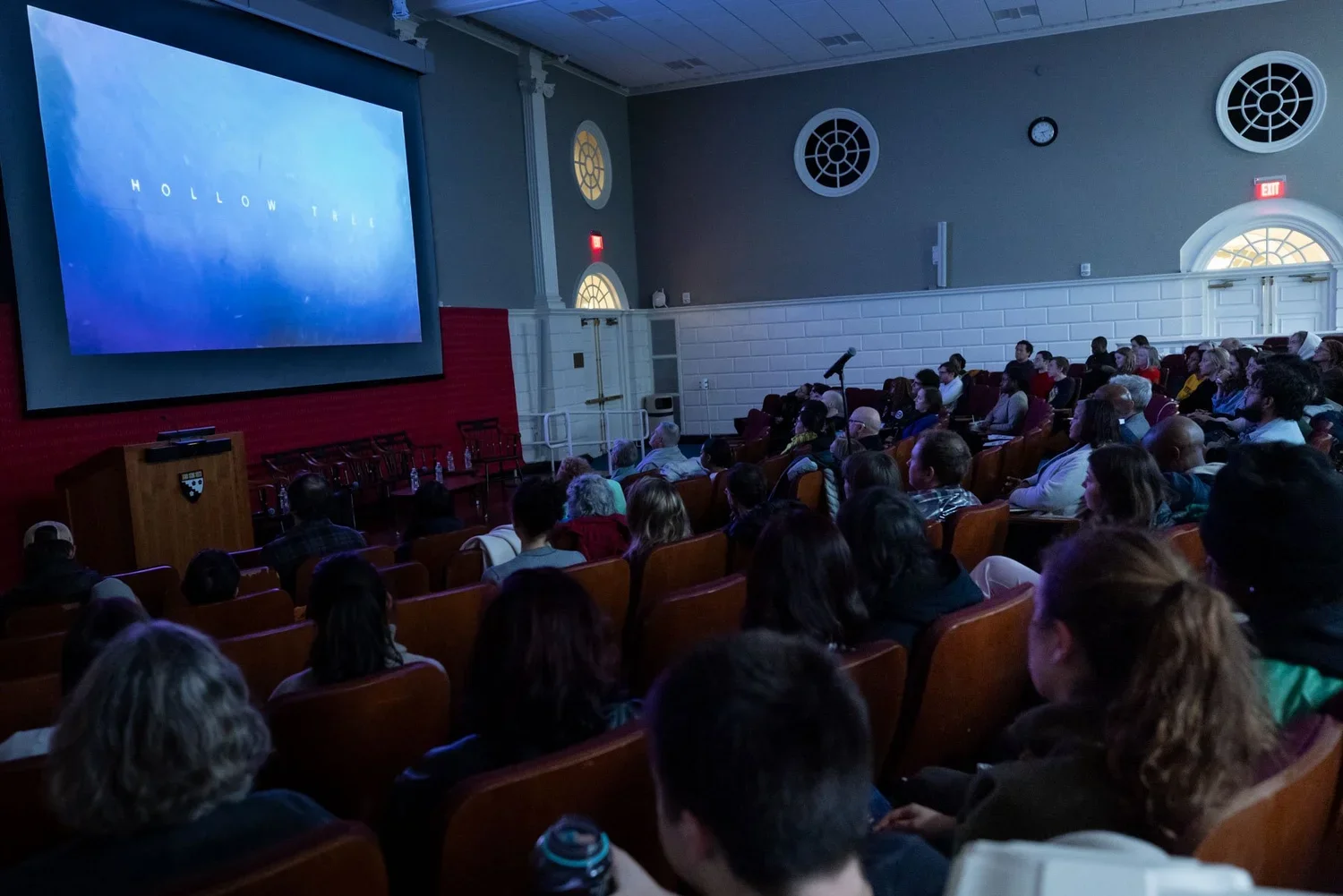
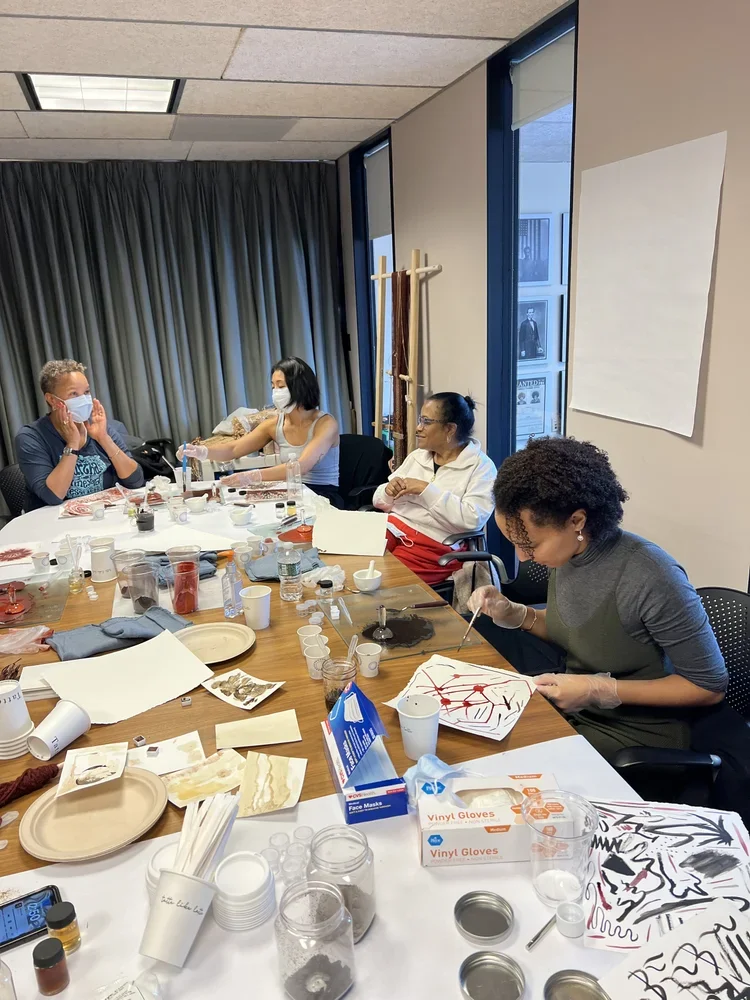
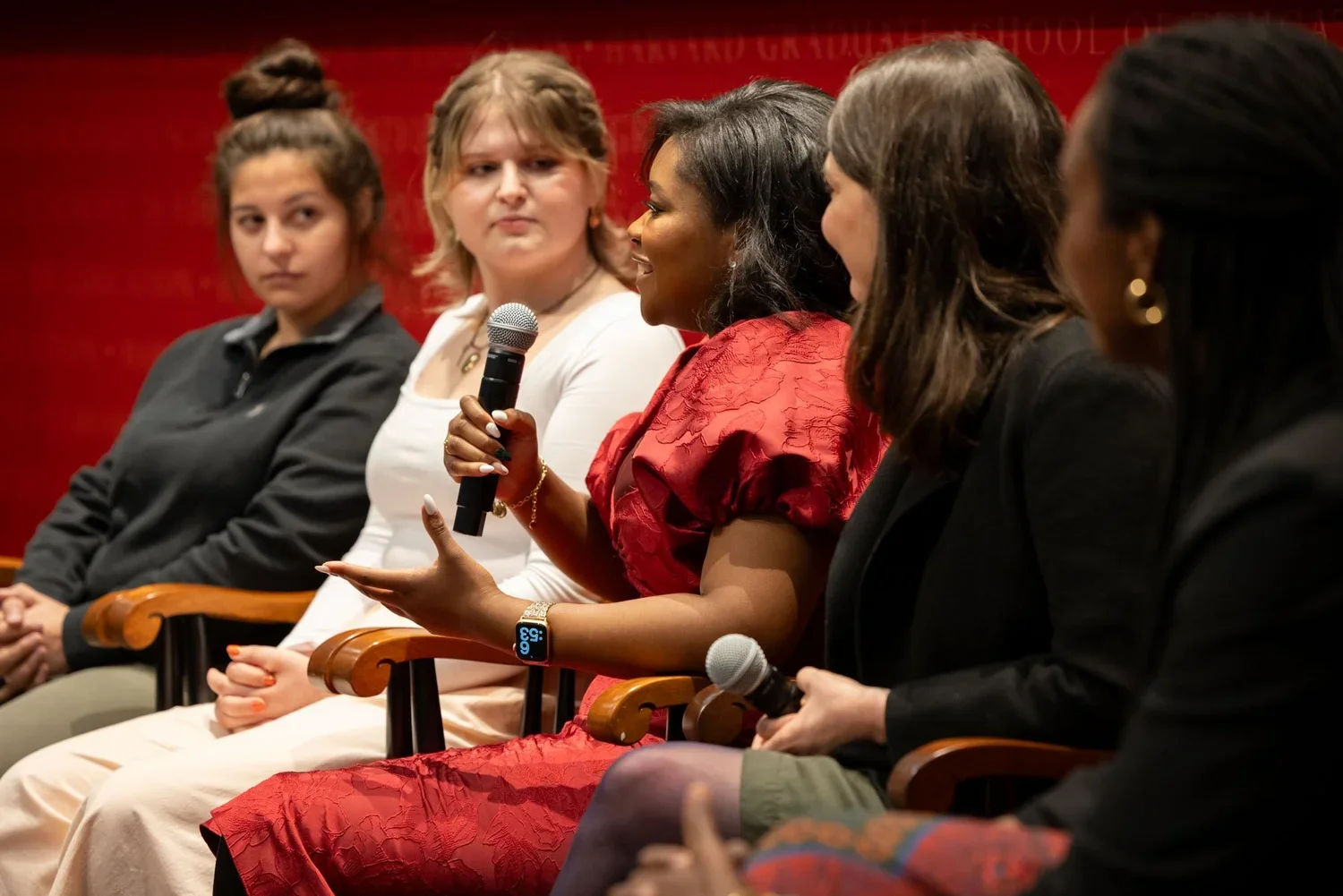
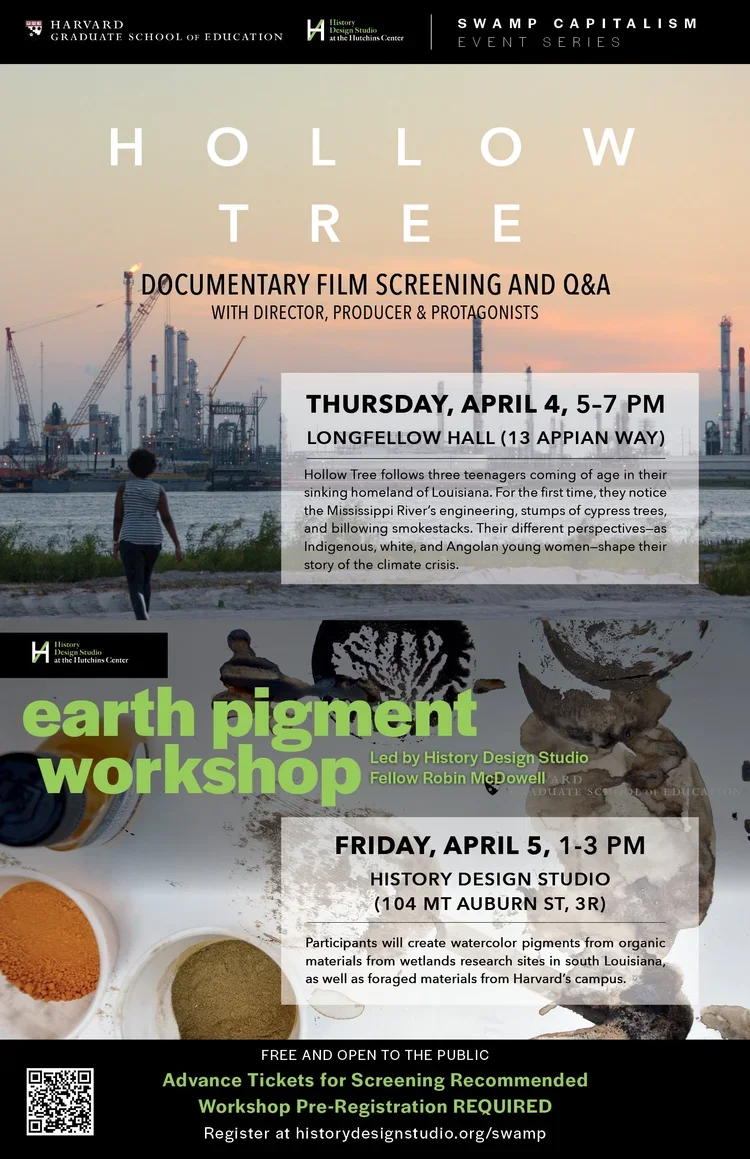
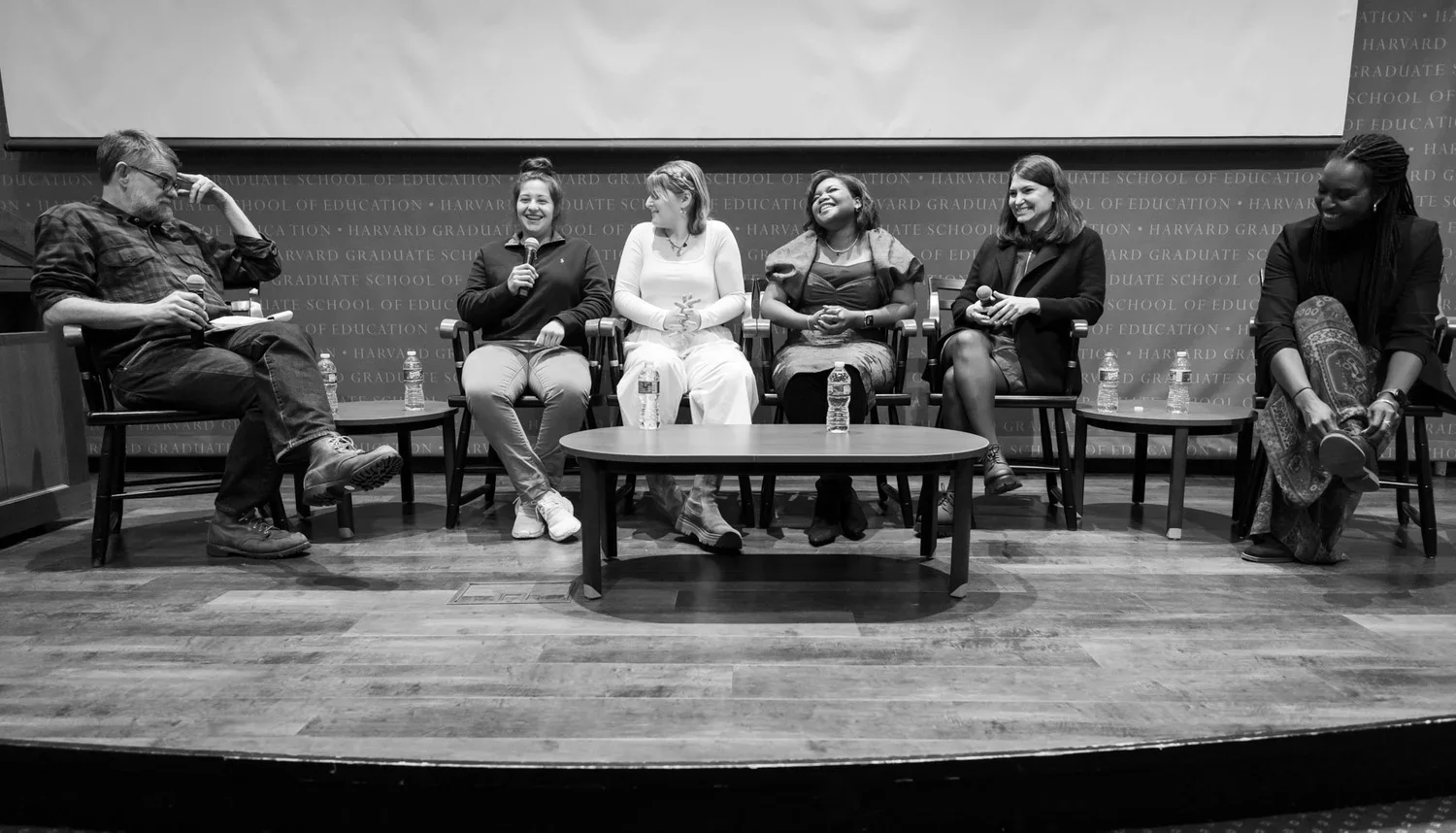
Throughout an eight-week residency at The Small Center at Tulane University, Kira Akerman and Dr. Robin McDowell created an art exhibit to accompany Kira’s film Hollow Tree, as well as a series of pigment-making workshops. Selected works from the exhibit Inhabitation and a description of the pigment-making workshop appear below. The screening and pigment workshop was later replicated as part of the Swamp Capitalism series at Harvard University (images also below), and Kira’s installation was included in the exhibit “Insurgent Ecologies” at Antenna Gallery in New Orleans.
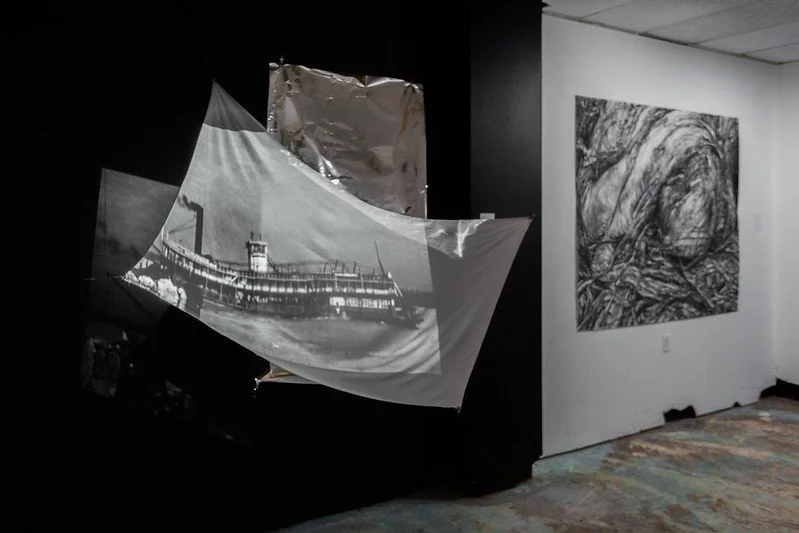
The River by Kira Akerman.

Plantation Imagination by Dr. Robin McDowell
PIGMENT-MAKING WORKSHOPS
The workshop begins with an informational talk and demonstration of methods for incorporating archives and ethnography in environmental art-making. Dr. Robin McDowell, who appears as one of the teachers in Hollow Tree, explains how she has followed the intertwined histories of oil, salt, and sugar in Louisiana’s sinking wetlands, and came to realize the perverse metabolism of natural resource extraction at the expense of Black lives and labor. She offers a provocation: the molecular structures of soil and water collected from former plantation sites are evolving and restructuring themselves due to ecological, economic, racial, and psychological violence and theft enacted upon the environment by European settlers, plantation owners, and corporations. As the pigments crystallize, oxidize, melt, dissipate, and congeal over time, visual and tactile stories emerge through the rendering of new creative and interpretive possibilities from materials themselves.

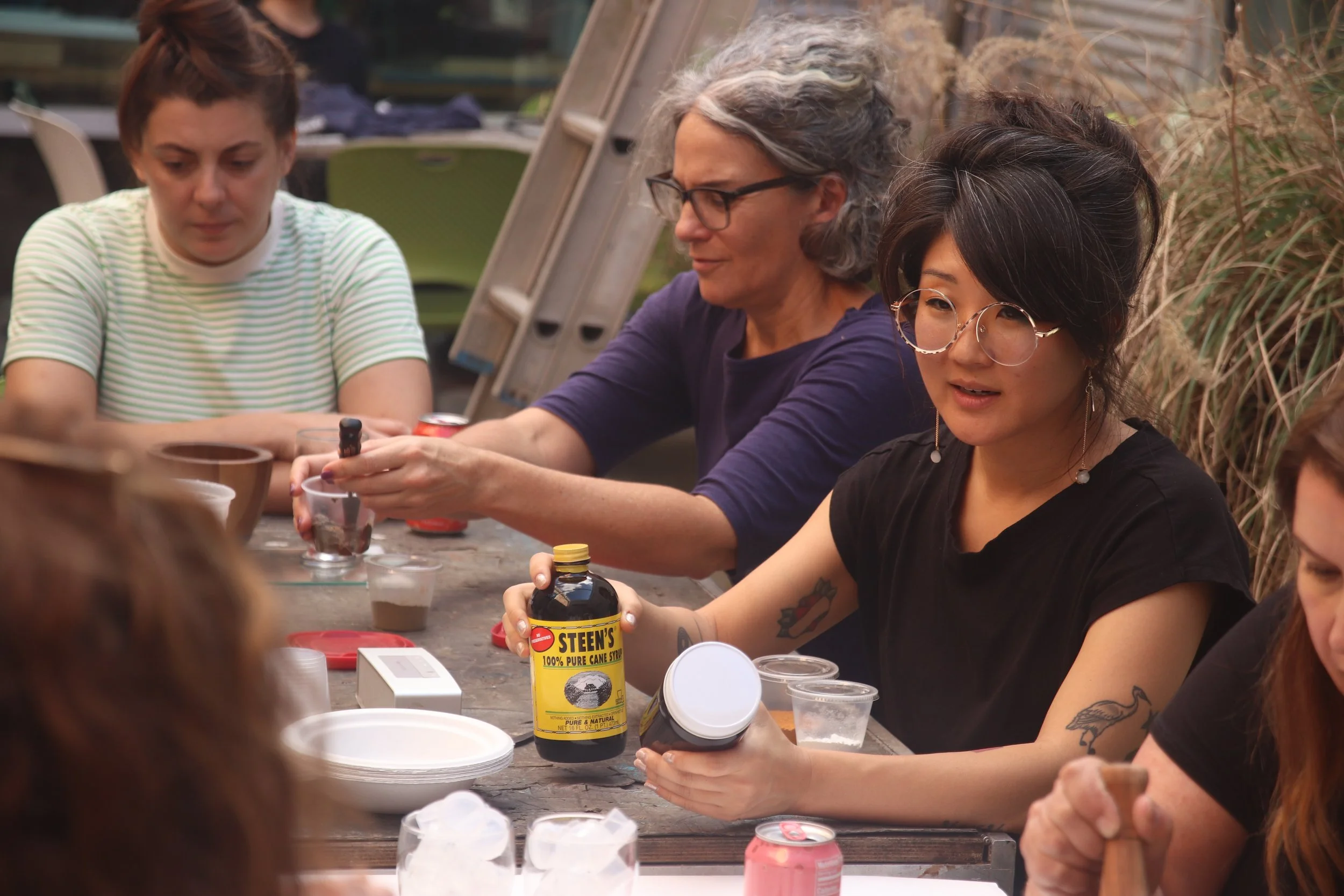
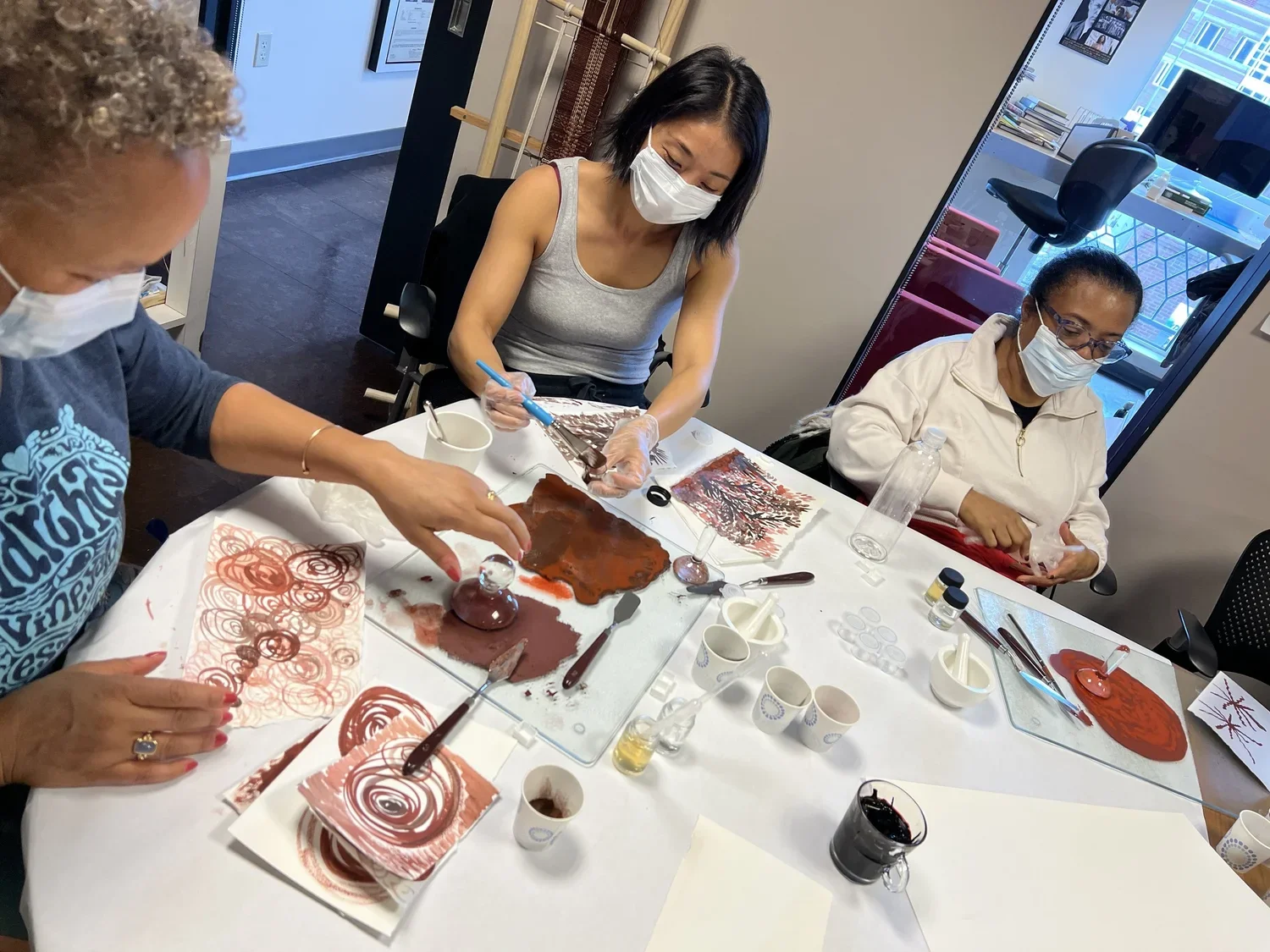
Participants work together to create watercolor pigments from ethically foraged organic materials including soil, clay, silt, rock salt, and carbon byproducts from research sites in south Louisiana.
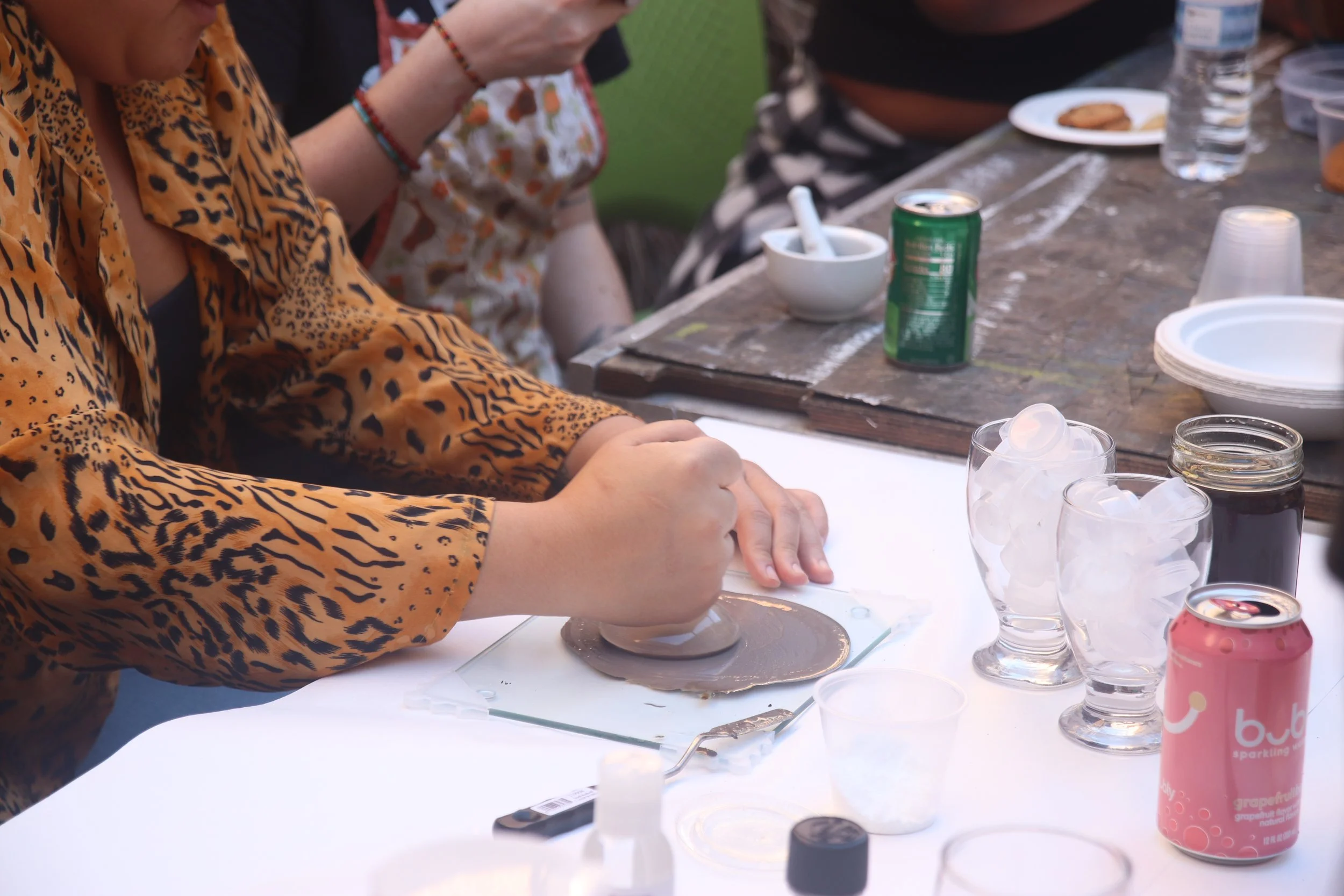
Participants then learn hands-on techniques for creating paints with soil and other organic matter and take home a small pigment pot created during the workshop.
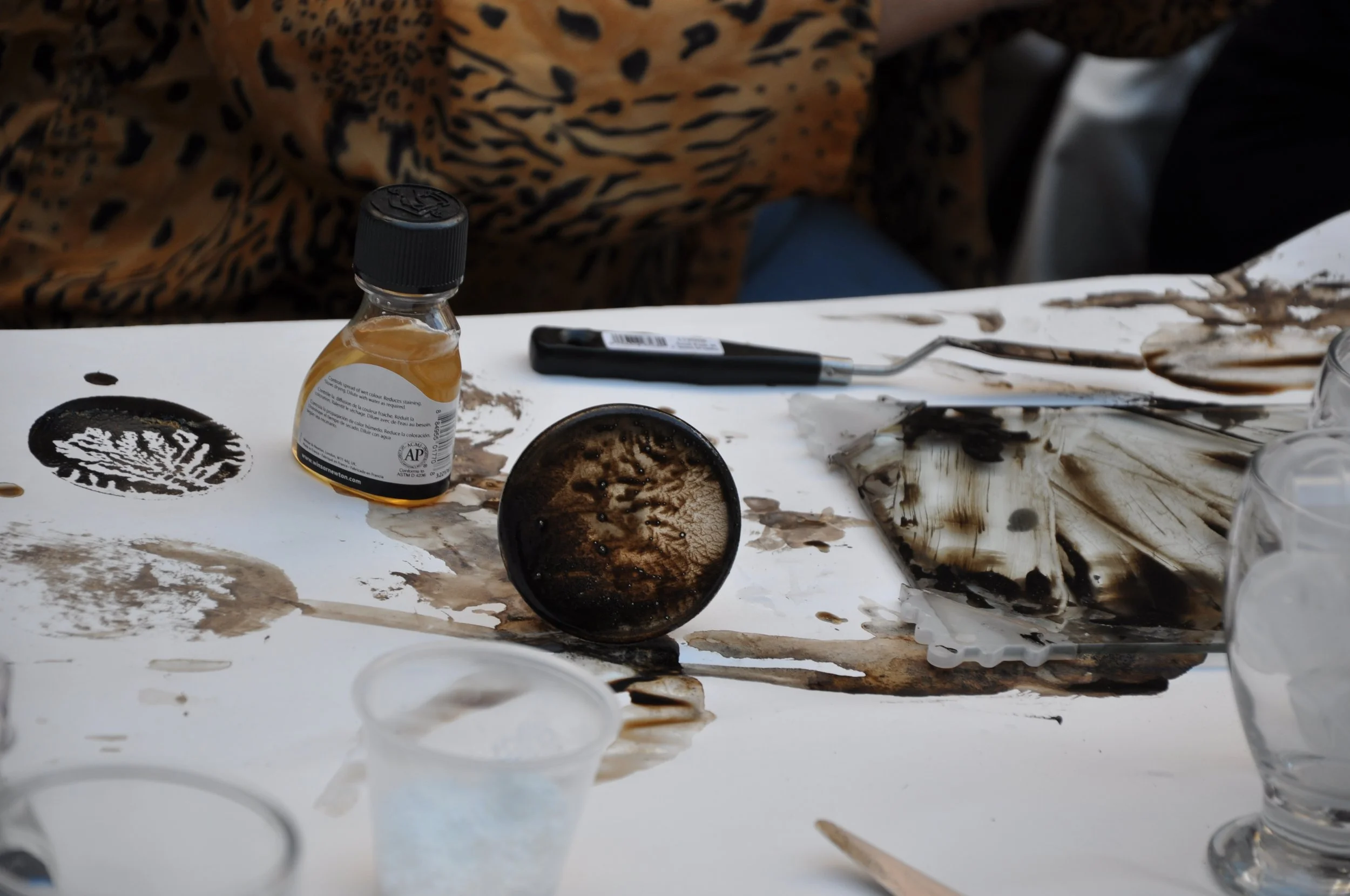
As participants examine and work with the materials, they engage in discussion about the materials themselves, as well as the histories of the peoples, lands, and bodies of water where the materials were first encountered.
SWAMP CAPITALISM AT HARVARD UNIVERSITY
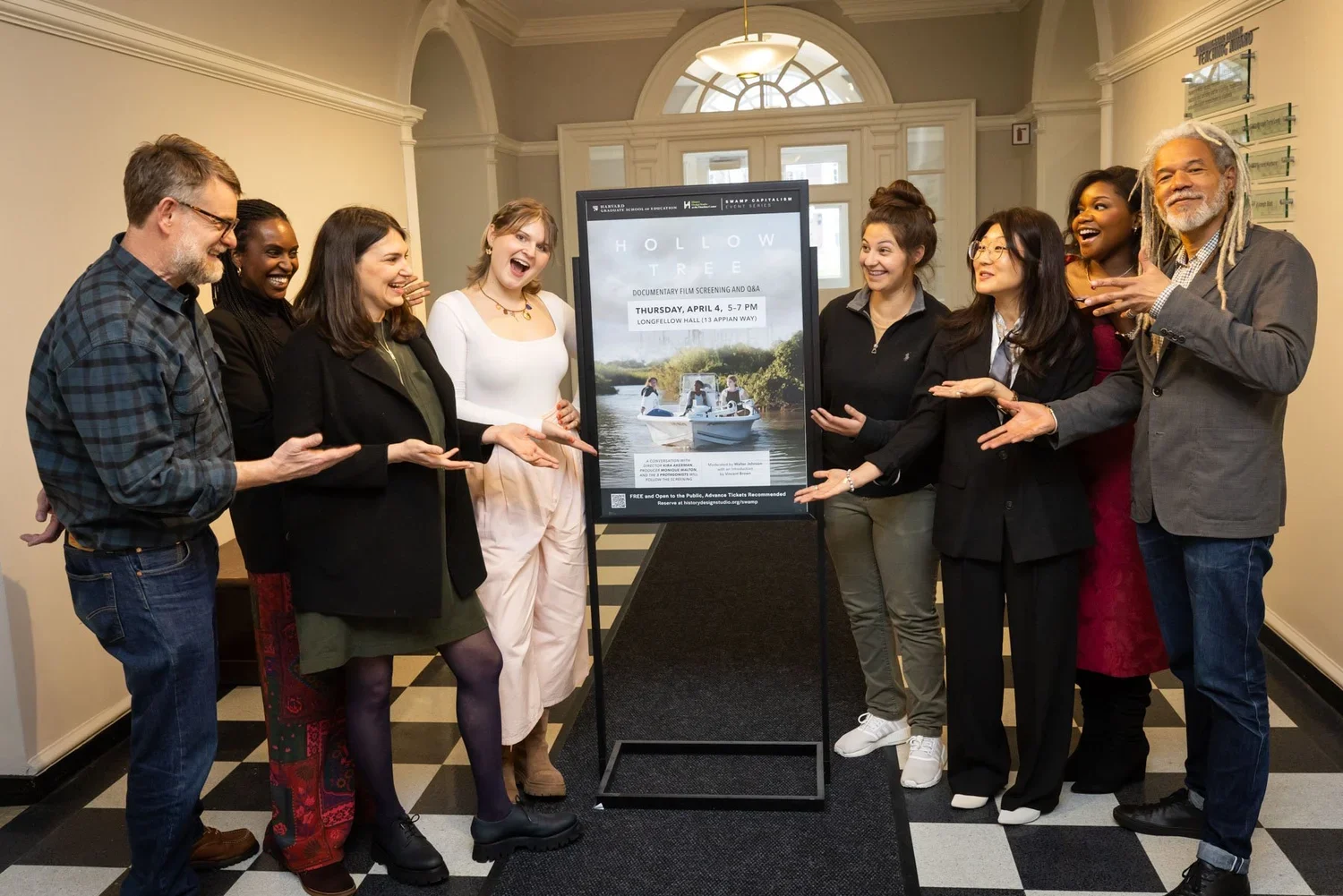
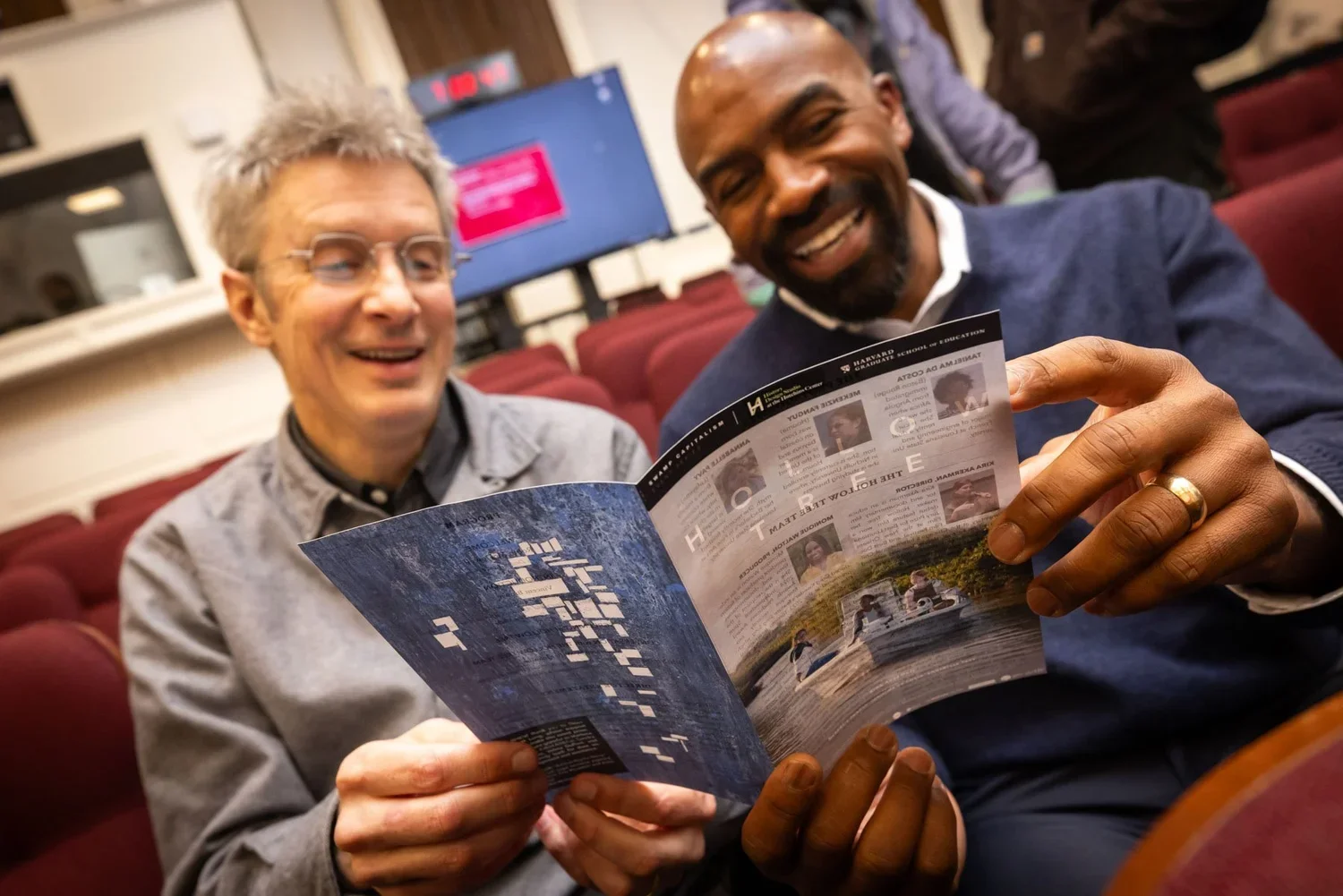
The Swamp Capitalism Event Series, hosted by the History Design Studio at the Hutchins Center for African and African American Research at Harvard University, brought together artists, teachers, activists, filmmakers, and academics from New Orleans, Cambridge, and beyond for two days of public programming open to the Harvard and larger Cambridge/Boston community. Swamp Capitalism: The Roots of Environmental Racism, an interdisciplinary project of History Design Studio Fellow Dr. Robin McDowell, traces racial, ecological, and economic encounters between African descended peoples, petroleum, sugar, and salt in Louisiana swamps on a geologic time scale. The programming brings this research to life through artmaking, documentary film, and intergenerational dialogues.